Memory
For memory in computer programming, see Memory Organization.
Components
- Episodic memory = replay previous experiences (episodes)
- Semantic memory = just remembering the information, if repeated a lot
- Procedural memory = used for remembering skills, “muscle memory”
- Working memory = “consciousness”, pulling information from other memory system together, it’s spatial and verbal as well
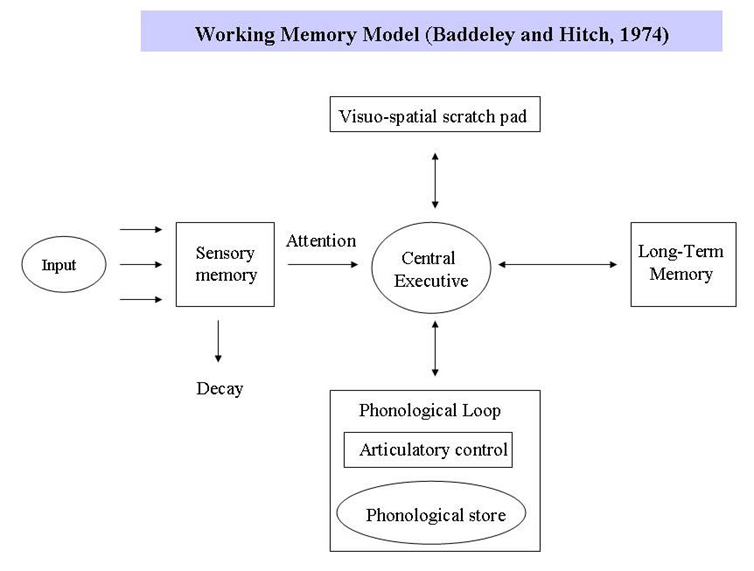
- To remember: Encoding → Internal Representation → Retrieval
- Retrieval cues: relate things with existing rituals/memories, especially imagery
Reconstructive Memory
- Putting together information and assumptions to reconstruct the event
- Barlett: Episodic memory itself is reconstructive
(activation-synthesis hypothesis?)
- we only recorded part of the information from an event.
- Our brain combines these info with assumptions about the world to replay the event.
- Problem is, human brain is bad at distinguishing information and assumptions. Memory can be dangerous.
- Loftus experiment: higher speed is estimated when more dramatic words are used.
- Leading questions: The word we used in interrogating changes people’s memory
Deja Vu
- Memory = Any previous experience that influences present behavior
- “Perceptual fluency”
- “Butcher in the bus”, we see things/people in a new context
- Deja vu = Familiarity without recollection, fluency of processing that cannot be contributed to anything
- Perception without awareness, e.g. a quick glance, makes you fluent
- Theory of Mind, mental models have been formed, which leads to fluency
Familiarity
- Mere-Exposure has strong influence
- The Rapid Serial Visual Presentation (RSVP) Paradigm
- People show tendency to like the word (or consider it brighter, or dimmer) they were exposed to. The question itself doesn’t matter
- Familiar message (talking points) feels like the correct answer
Amnesia
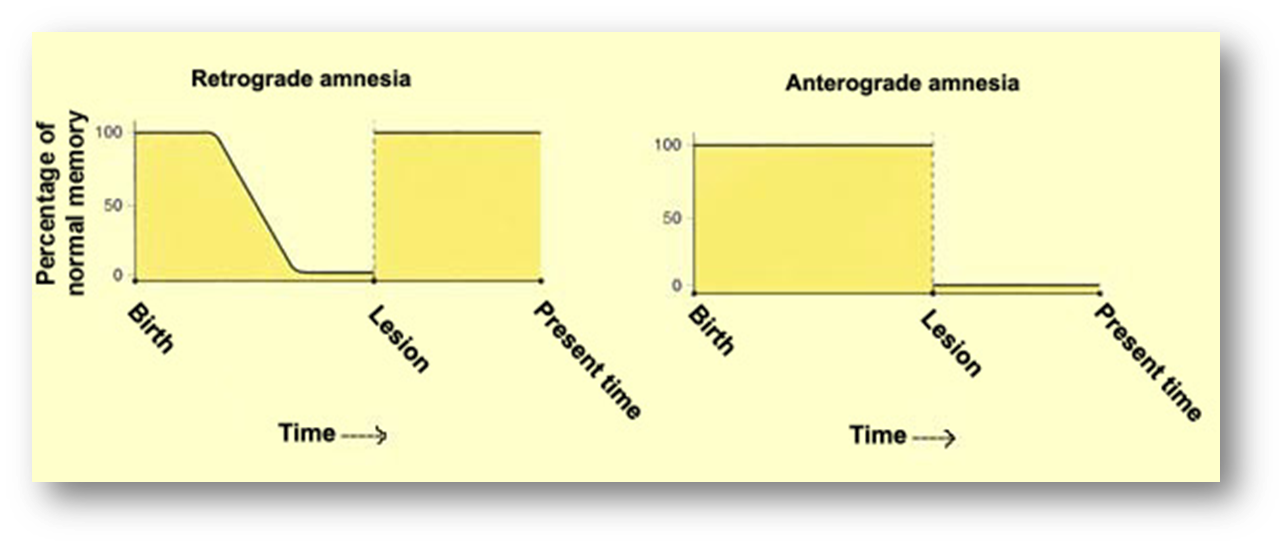
- Retrograde: Caused by concussion, temporary amnesia, relatively quickly returning normal but some memory right before the accident might be missing.
- Anterograde: Can’t form new memory. Caused by hippocampus damage. Things can’t be remembered after the damage of hippocampi. Can only remember things when kept in working memory.
- Memory is what keeps our continuum of existence. “Forever Today”
What is Not Forgotten
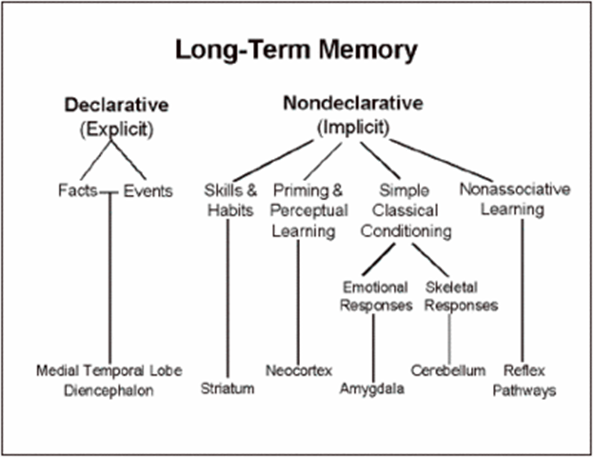
- Amnesia = loss of episodic memory, other kinds of memory are not lost, and they can still learn
- Claparede: A pin in the handshake can be learned. Patients refuse to shake hand, “Sometimes people hide things in their hand”
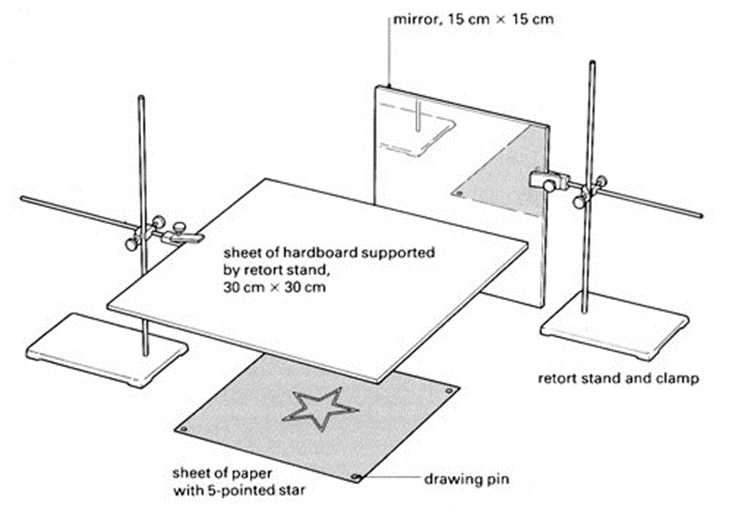
- Amnesic person can still learn to do the mirrored drawing!
- Long-Term Memory
- “I know that” - Declarative
- “I know how” - Procedural, which is really strong
- “I remember when” - Episodic
Synesthesia
- Numbers or words related to taste/color/sounds.
- These people tend to have outstanding memory for details as well.
- Dual-coding for memorizing things.
- Outstanding memory may adversely impact social skills.