Lean Methodology
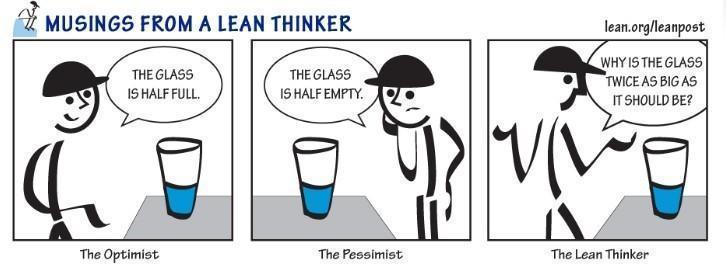
- Originally used as Lean Manufacturing used by Toyota. Remove waste in each phase, so that only value is added.
- Implement Lean project management when you want to use limited resources, reduce waste, and streamline processes to gain maximum benefits.
5 Principles of Lean
- Define value
- Map value stream
- Create flow
- Establish pull
- Pursue perfection
Fundamentals
- Eliminate Waste
- Look early and often for waste
- Anything that does not add value to the product/service
- Focus on business processes
- Mistake Proof your Processes (Poka-Yoke)
- Create ways to eliminate any chance for error
- Physical restrictions, visual cues, templates, workflow order
- Processes should be “Pull”, not “Push”
- Pull: determined by customer demand — only provide what is required
- Push: determined by process — produce what we “guess” will be needed (or our forecast!)
- Defects are not made and/or passed along
- Defects are prevented whenever possible, but never moved to the next step in the process
- Level & Balanced
- Workload design based on demand (tact time)
- Minimize non-value-added steps
- Multi-skilled employees perform more than one task
Wastes
- Intellect: Failure to fully utilize the time and talents of people; lack of training
- Motion: Any motion that does not; add value; chasing parts, signatures, tools, etc
- Defects: Any rework; errors
- Overproduction: Producing too much; producing too soon; batch processing
- Extra Processing: Adding inspections; approvals; reviews
- Transportation: Any nonessential transport or handling
- Inventory: High supply stores; finished product stores; in-work materials
- Waiting: Waiting on parts or documents, waiting for other workers or a machine
Lean Tools
- 5S
- Value-Stream Mapping
- Kaizen — Kaizen Blitz/Event
- Simplification
- Pull/Kanban/2-Bin System
- Visual Controls
- Error-Proofing (Poka-Yoke)
- Set-up Reduction
- Total Productive Maintenance
- Standard Workd
- Gemba Walks
- Leader Standard Work
Challenges
- Buy-in from entire team
- Current attitudes
- Trust as a core building block
- Future commitments
- Sustaining gains
- Continuing to improve
- Cultural change